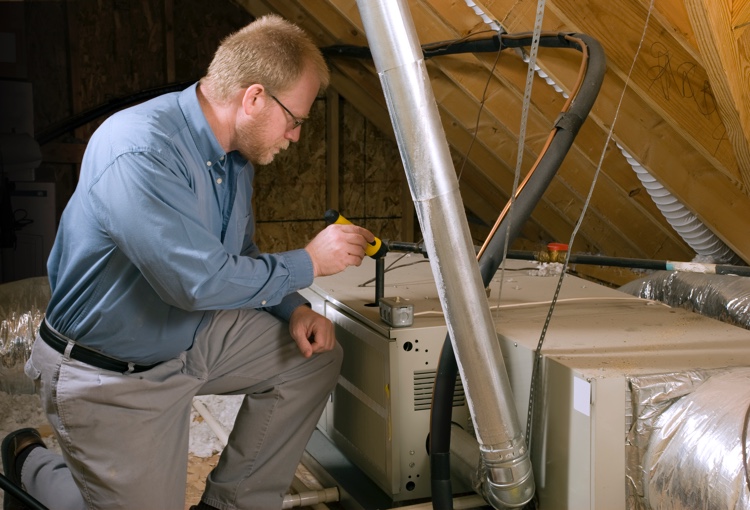
A: TechCheck is built to catch problems before they become breakdowns, and to make routine care predictable instead of a surprise bill. Members get free 24/7 diagnostic visits, 10% off all service repairs, and 5% off new equipment — so the plan tends to pay for itself the first time it prevents an emergency call. For a Metro Detroit home running both a furnace and an AC system through Michigan's full seasonal swing, it's the difference between reacting to breakdowns and staying ahead of them.
A: Together, ideally — most Metro Detroit homes get the most value from a spring AC check-up and a fall furnace check-up, one visit each per season rather than treating them as unrelated systems. Since many homes run a bundled AC-and-furnace setup sharing the same air handler and ductwork, an issue in one system often shows up as a symptom in the other. Servicing both on a seasonal cadence catches that overlap instead of missing it.
A: Both are more realistic than most homeowners assume. Geothermal works because the ground just below the frost line stays a constant ~50°F year-round regardless of what's happening above ground, which lets a geothermal system deliver around 4 units of heat energy for every 1 unit of electricity used — a level of efficiency a furnace can't match (Dandelion Energy geothermal FAQ). Modern cold-climate air-source heat pumps have also improved dramatically — field studies show them holding a coefficient of performance around 2.7 between 41°F and 14°F, and still outperforming electric resistance or combustion heat even as temperatures drop further (ServiceMag field study review). The right call depends on your home's insulation, lot size, and budget — we'll size the comparison to your actual house, not a generic recommendation.
A: In almost every case, yes. Michigan requires a mechanical permit for gas piping work and for water heater installation or replacement — a gas water heater also requires a plumbing permit alongside the mechanical one (Michigan LARA Mechanical FAQs). There's a narrow exemption for very short gas line extensions (10 feet or less with no more than 6 fittings) tied to meter relocation, but a full new gas piping run or water heater swap doesn't qualify. We handle the permitting as part of the job, so you're never the one navigating that process.
A: The clearest signal is age plus repair frequency, not either one alone. A furnace or AC nearing the back half of its typical 10–15-year (AC) or 15–20-year (furnace) lifespan that's needed more than one repair in the past year is usually cheaper to replace than to keep patching — especially once you add up rising utility bills from an inefficient older system. If your furnace and AC were installed around the same time and one is failing, it's also worth asking about replacing both together, since matched systems run more efficiently and a mismatched pairing rarely performs as well as either manufacturer intends.
A: THC offers financing on new installations so a failing furnace or AC doesn't force an all-at-once expense — options include standard and premium equipment tiers, and bundled AC-and-furnace packages that cost less than replacing each system separately. We'll walk through the numbers for repair versus replacement versus financed replacement side by side, so the decision is based on your actual budget, not guesswork.